











The singing voice, measured with rigor.
VoiceScan was born from a scientific question: can what a great teacher hears be measured, repeated, and compared? These are the lines we’re working on.
We work on four fronts that feed into each other. We publish the questions today and the results when the science allows it: after peer review.
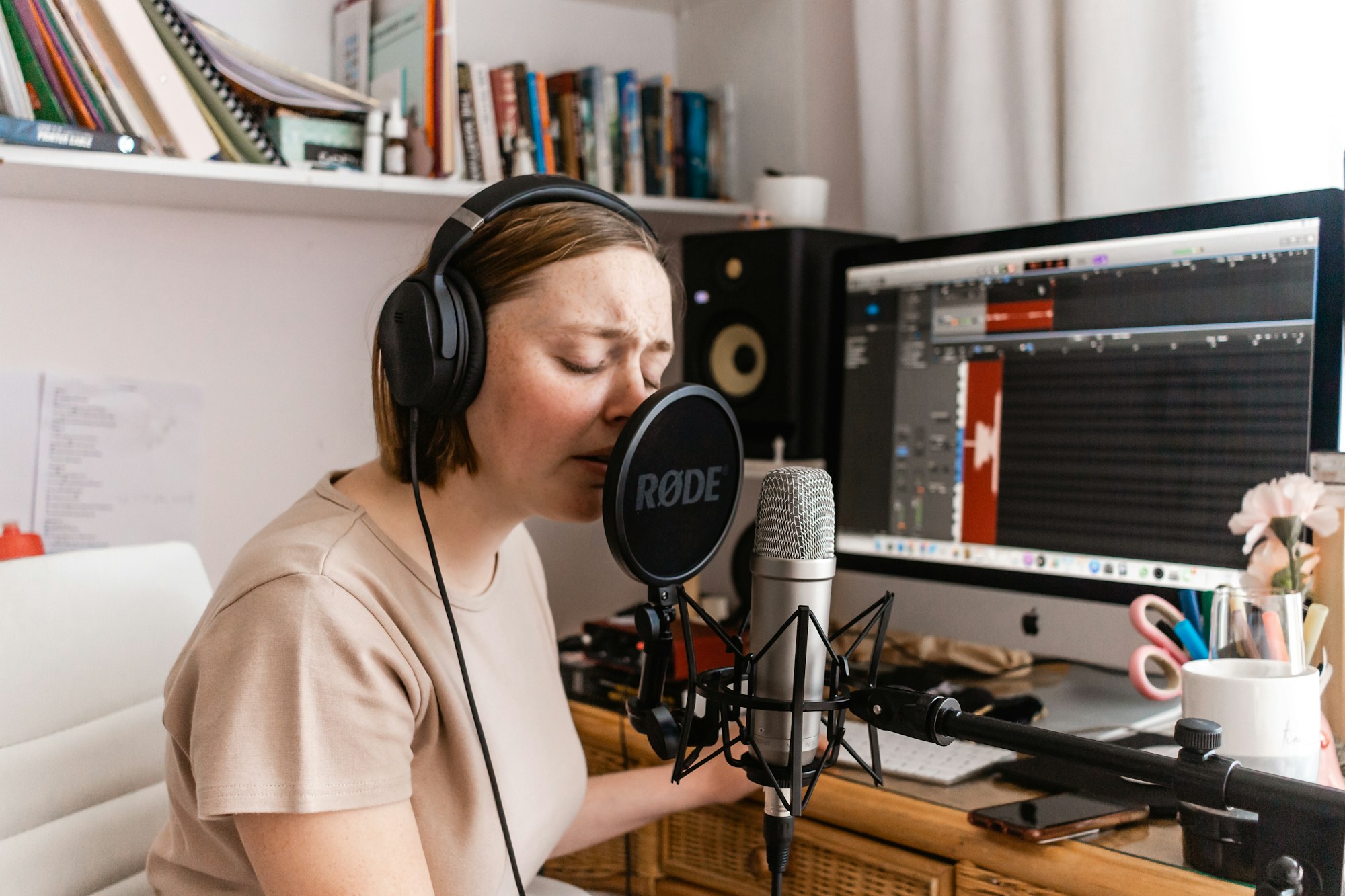
The voice across its whole range.
Classical voice acoustics measures isolated notes and sustained phonation, designed for the clinic. But a singer doesn’t live there: they live in the journey from low to high, crossing their transition zones. Our framework studies how vocal behavior evolves across that journey, and what that view adds beyond a single snapshot measurement.
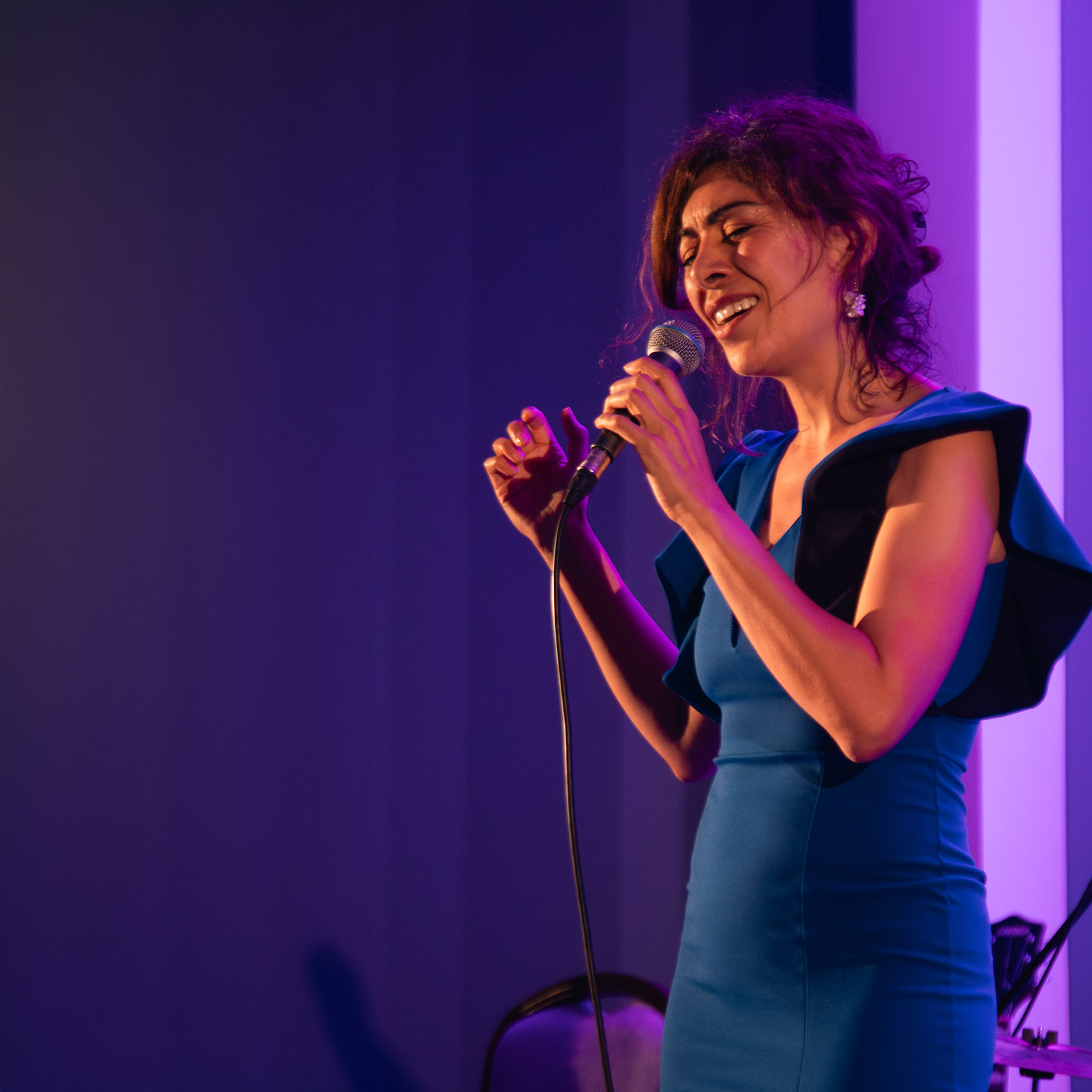
Is the passaggio real and measurable?
Teachers have spent two centuries talking about the passaggio as something you hear and feel. We ask whether it leaves an objective acoustic trace, whether it shows up in the same place for every voice, and whether men and women cross it the same way. We study it with recordings of singers going up through scales, with blind expert assessment, and with artificial intelligence as an independent third approach. Results will be published in a scientific journal.
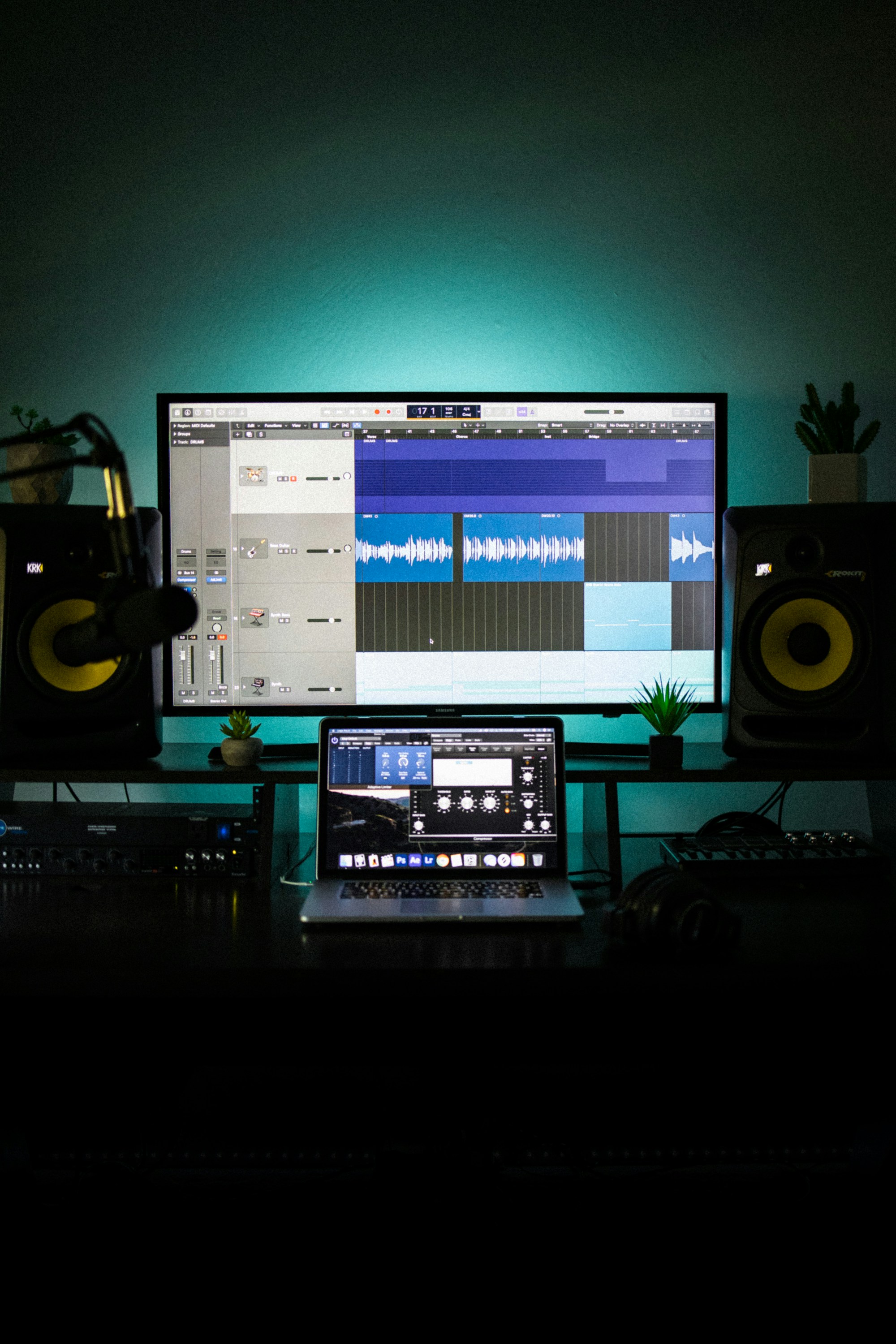
Reading the vocal folds without the mouth fooling us.
What reaches the microphone is a mix of two things: how the vocal folds vibrate and how the vocal tract resonates. Telling apart which part of the sound comes from each is one of the classic problems in voice acoustics, and it’s especially tricky in the high female voice, where resonances can disguise what the folds are doing. We’re researching how to read the source reliably across the full extent of the voice.

It only counts if it matches the expert ear.
An analysis system only makes sense if it matches what experts hear when they know nothing about the voice they’re listening to. We design studies where independent evaluators classify voices without seeing any data from the system, and we first measure how much they agree with each other, because that agreement is the ceiling of any instrument. We do this with clinical-study methodology: a protocol written in advance, informed consent, and an ethics committee.
How we work
Protocol before data — we register how we’re going to analyze before collecting a single voice.
Whoever designs doesn’t judge — we separate who designs the study from who evaluates the voices.
Publish after review — results are communicated once they pass peer review, not before.
«“We publish the questions today and the results when the science allows it.”»
We work with academia and with the clinic.
VoiceScan is being validated in collaboration with the academic world and with an international panel of singing teachers, and it builds a bridge toward the clinical voice: the singing voice analyzed with the same rigor as sustained phonation, never replacing the assessment of a healthcare professional.

The people behind the research.
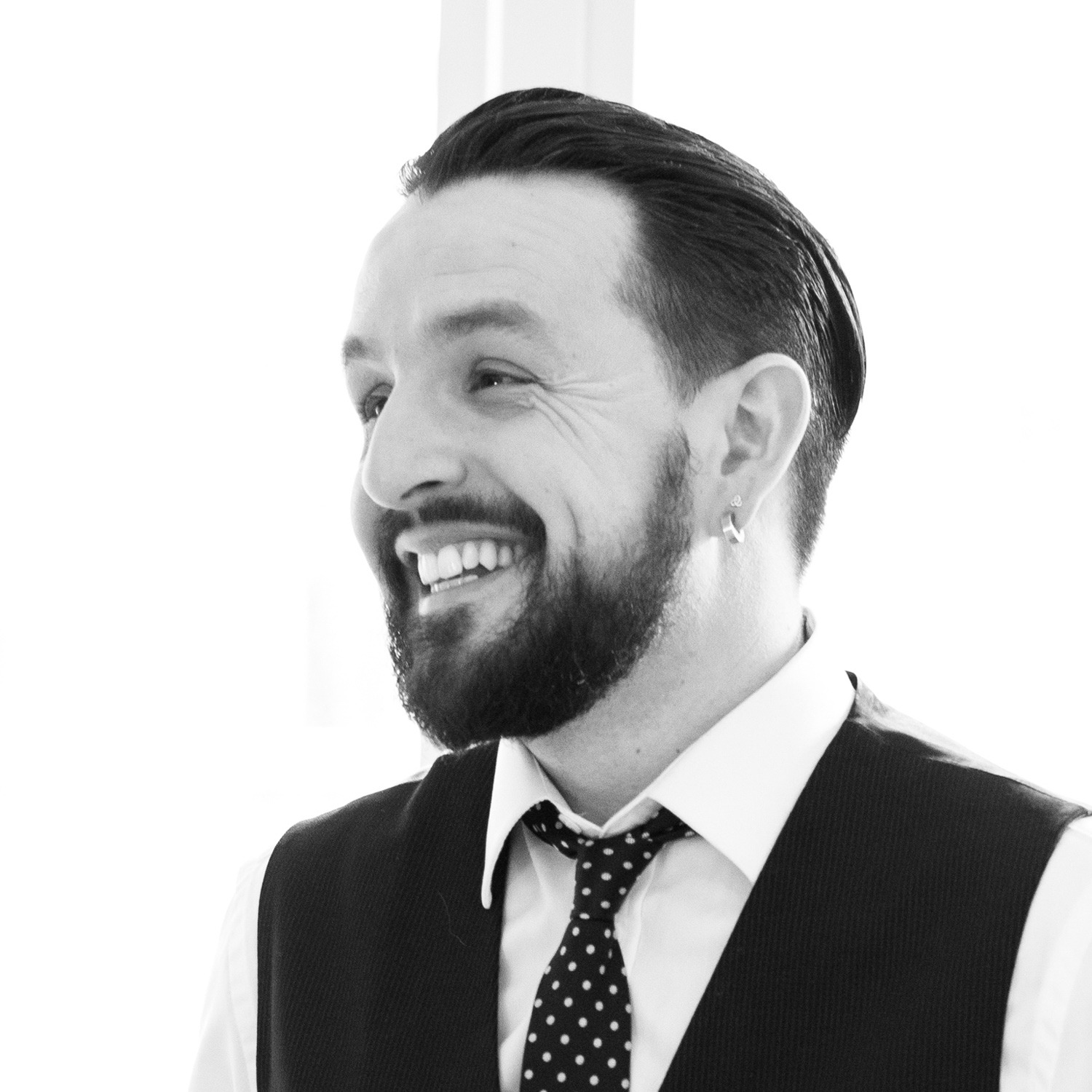
Andrés Martorell
Vocal methodology lead
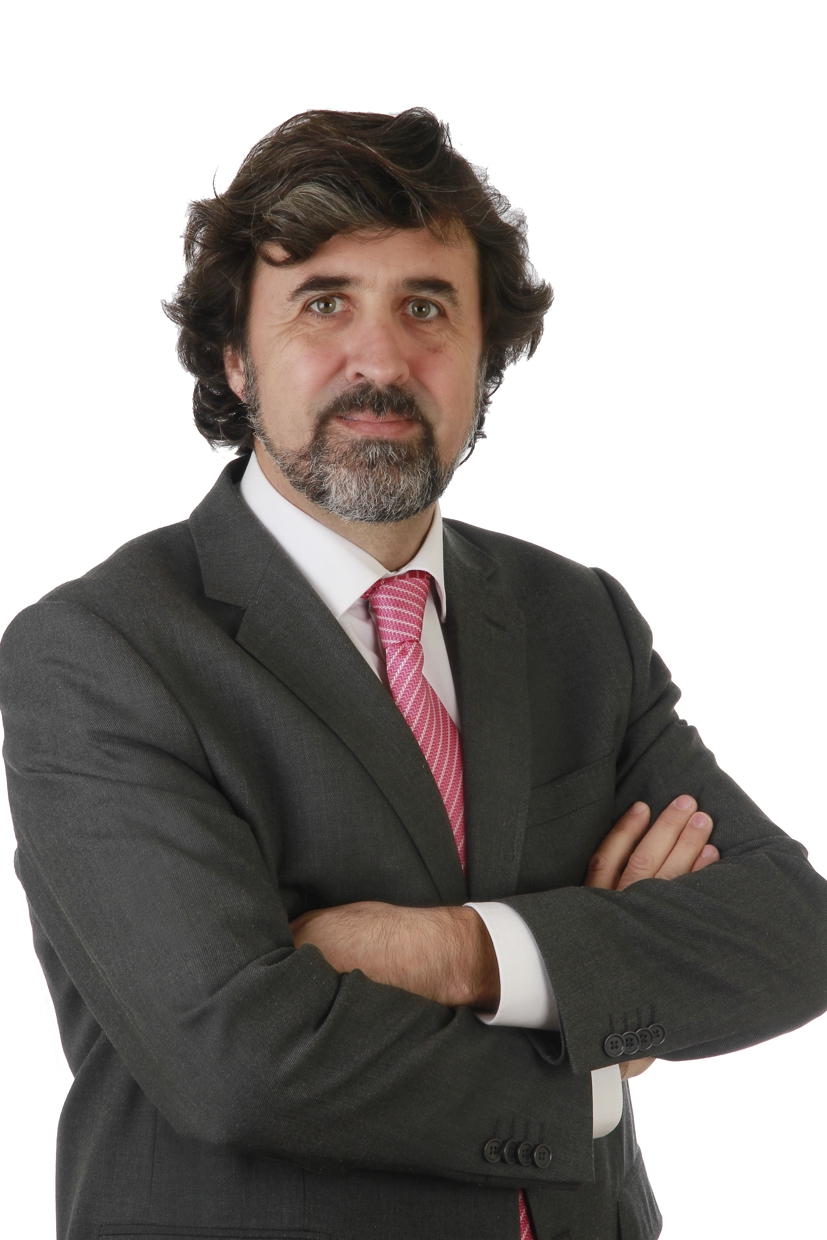
Gerardo Narbona
CEO · Technology lead
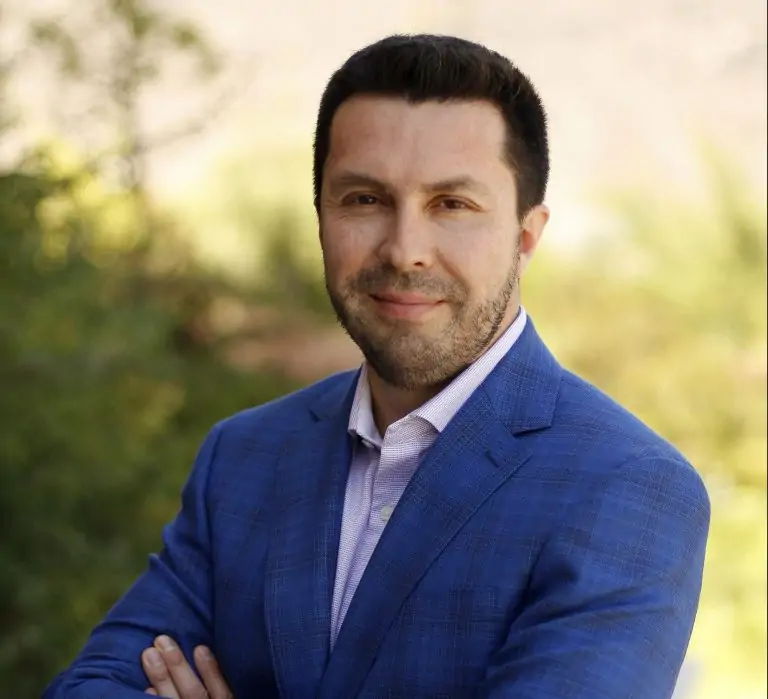
Marco Guzmán
Scientific lead for validation
Publications
Coming soon. We’ll link the papers here as they’re published.